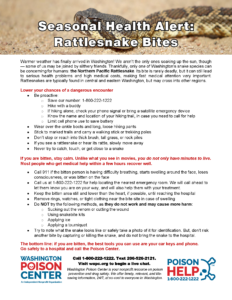
Ready, Set, Sssssummer: Snake Safety
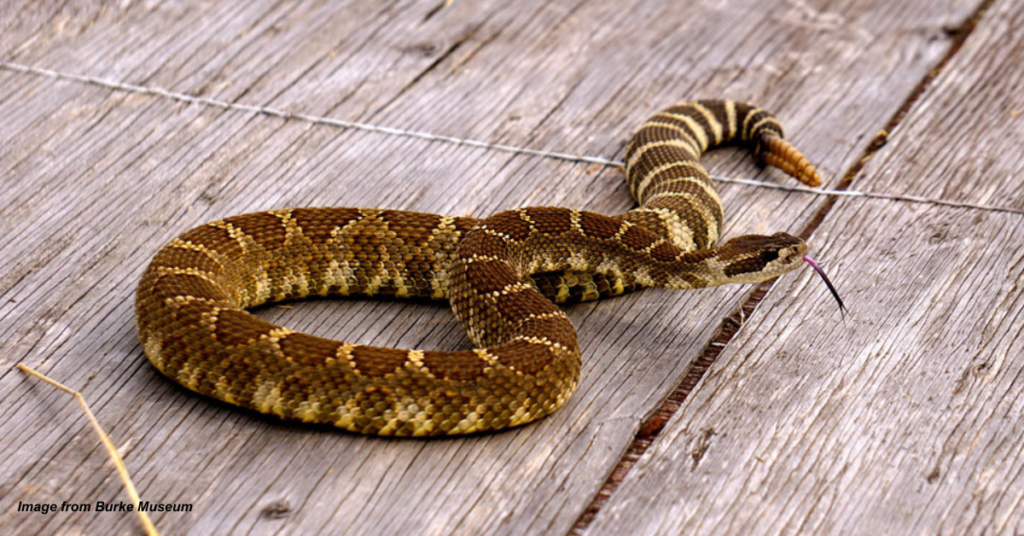
We’ve already treated 11 patients with snake bites since April, meaning Hot Snake Ssssssumer has officially begun. Luckily, we only have one snake in Washington that is a real concern for people: the Western Rattlesnake (crotalus oreganus, also called the Northern Pacific Rattlesnake). Its bite is rarely deadly, but it can still lead to serious health problems and high medical costs. So, getting help as quickly as you can is essential!
Most rattlesnake bites in Washington occur between April and August. Western rattlesnakes are usually found in the dry, rocky regions of central and eastern Washington, including the Columbia Basin. Last year, we treated 21 people for rattlesnake bites. However, the true number is probably higher, since healthcare providers are not required to report bites to us. The highest numbers of bites were in Benton, Chelan, Grant, Spokane, and Whitman counties.
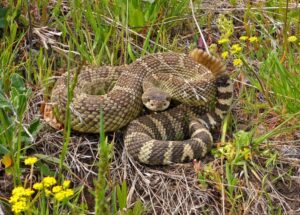
Image from Washington Department of Fish & Wildlife
Not all western rattlesnake bites inject venom—about 20–25% are “dry” bites, where no venom is injected. If venom is injected, symptoms can start within minutes or take hours to appear. Unlike what you see in the movies, though, you do not only have minutes to live. Bites from western rattlesnakes often cause bleeding and muscle damage, but rarely lead to serious nerve or brain problems like bites from species found in other parts of the U.S.. Most people who get medical help within a few hours recover well.
Lower your chances of a bite:
- Be proactive:
- Hike with a buddy
- If hiking alone, check your phone signal or bring a satellite emergency device
- Know the name and location of your hiking trail, in case you need to call for help
- Wear over-the-ankle boots and long, loose hiking pants
- Stick to marked trails and carry a walking stick or trekking poles
- Don’t step or reach into thick brush, tall grass, or rock piles
- If you see a rattlesnake or hear its rattle, slowly move away. Never try to catch, touch, or get close to a snake. We’re serious about this one… that perfect Instagram shot isn’t worth it. Many bites also happen when there is alcohol involved. Keep an eye on drinking friends — that false confidence can lead to trouble!
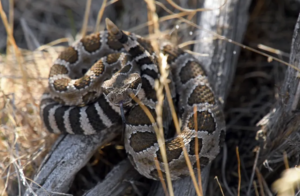 Image from Washington Department of Fish & Wildlife
If you are bitten, stay calm.
- Call for help
- Call 911 if the bitten person is having difficulty breathing, starts swelling around the face, loses consciousness, or was bitten on the face
- Otherwise, call us at 1-800-222-1222. We will help you locate the nearest emergency room, and will call ahead to let them know you are on your way. We will also help your healthcare providers with your treatment (like if you need the antidote for rattlesnake venom).
- Keep the bitten area still and lower than the heart, if possible, until reaching the hospital
- Remove rings, watches, or tight clothing near the bite site in case of swelling
- Do NOT try the following methods. They do not work and may cause more harm:
- Sucking out the venom or cutting the wound
- Using snakebite kits
- Applying ice
- Applying a tourniquet
- Try to note what the snake looks like or safely take a photo of it for identification—but don’t risk another bite. We can’t believe we have to say this, but please don’t bring the snake to the hospital.
- Do not try to capture or kill the snake
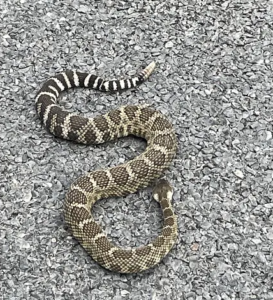 Image from Washington Department of Fish & Wildlife
The bottom line: if you are bitten, the best tools you can use are your car keys and phone. Go safely to a hospital and call the Poison Center.
Download a PDF of this Seasonal Health Alert here.