


Justin Mauger Named Rural Health Hero of Washington
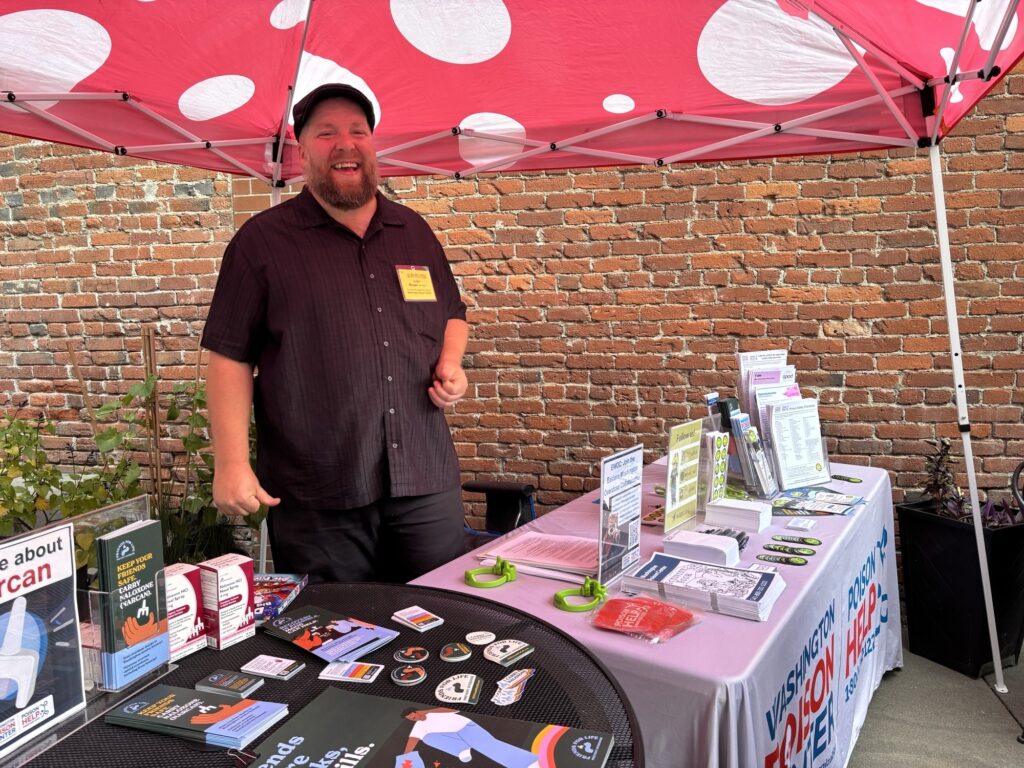
Each November, National Rural Health Day celebrates the people, partnerships, creativity, and commitment that make rural communities special and keep them strong. The Rural Health Heroes of Washington honors four professionals whose everyday work makes a lasting difference.
Washington Poison Center’s Central and Eastern Washington Community Educator, Justin Mauger, MA, BSW received the 2026 Innovation and Transformation award.
The following profile on Justin appeared in the 2026 Heroes Spotlight published by the Washington State Department of Health and National Rural Health Day.
We are honored to have Justin on our team and we are exceptionally proud of his transformational work in Washington’s rural communities.
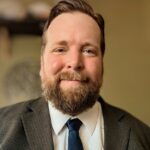 Bringing Innovation and Life-Saving Education to Rural Washington
For Justin Mauger, rural health education is not something that can be delivered from behind a desk or through a computer screen. It means getting in the car, driving long distances, and showing up in communities to meet people where they are.
As the Community Health Educator for Central and Eastern Washington for the Washington Poison Center, Justin has spent the past three years changing how poison prevention and harm reduction education reaches rural communities across Washington.
Based in Spokane, Justin’s service area covers thousands of square miles, from the Cascades to the Idaho border. He has made it a priority to reach communities that can be overlooked simply because they are far from larger cities. His commitment to this work is personal.
When Justin’s daughter was three years old, she ate a mushroom from their yard. Worried, Justin called the Poison Center. The first thing he heard was, “It’s okay. These things happen.”
Those simple words helped calm him right away. Instead of focusing on his guilt as a parent, Justin could focus on what mattered most: finding out whether his daughter needed medical attention.
That experience gave Justin a personal understanding of how the Poison Center helps people when they are scared and don’t know what to do. It also reinforced his belief that everyone should have access to reliable health information, no matter where they live.
 With a master’s degree in international education, Justin saw a chance to rethink traditional public health education. Instead of just sharing information, he wanted people to take an active part in learning.
That vision became especially important in 2024 as communities across Washington were facing the impact of the opioid crisis. Justin developed the Washington Poison Center’s “Naloxone, Opioids and Stigma” training program from the ground up.
The program uses experiential learning to help participants reflect on their own assumptions about substance use, understand the impact of stigma and practice how to respond when someone is experiencing an overdose. The goal is to move people from being bystanders to being prepared and ready to act. Nearly 2,000 people have participated, including university students, business professionals, social workers and local bar employees.
Justin made sure the program reached communities beyond Spokane. He brought it to Big Bend Community College in Moses Lake, Yakima Valley College, Oroville, Springdale, Wellpinit, Nine Mile Falls and other communities. At Wellpinit, he taught about 125 Spokane Tribal eighth grade through high school students about opioids and naloxone. He also worked with members of the Kalispell Tribe and communities in the Colville area and Cusick.
Justin also teaches people about other health and safety topics. He provides information about pediatric poison prevention, vaping, medication safety for older adults, drug poisonings, and the free services available through Washington Poison Center.
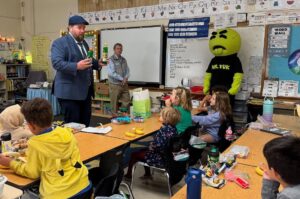
Over the past three years, he has reached 7,181 rural residents through 103 events. Justin builds lasting relationships with schools, healthcare organizations, tribes and community groups. In Oroville, he returns at least once a year to provide programs for students, parents and staff on topics ranging from poison safety to vaping and opioids. During one visit, he even made his own Mr. Yuk costume to bring the Poison Center’s mascot to life for students.
He also works to reach people who may face additional barriers to healthcare. Through partnerships with Yakima Valley Farm Workers Clinic and other organizations, Justin has provided education to Spanish-speaking residents and migrant farmworkers.
In Toppenish, he reached more than 300 Spanish-speaking attendees with information about the Poison Center’s free services and interpretation resources. At another health and resource fair in Othello, he reached more than 150 people.
For Justin, innovation means noticing who may be left out and finding better ways to reach them. Meghan King, Chief Engagement & Communications Officer at Washington Poison Center, nominated Justin for his ability to turn that idea into action. “Justin doesn’t just hand out pamphlets,” King said. “He empowers communities to be more compassionate and confident in their ability to save lives.”
King also points to Justin’s willingness to travel to communities that might not have as many educational resources. “He understands that rural health disparities cannot be solved remotely,” she said. “He genuinely believes a resident in a remote town deserves the exact same quality of education and health resources as someone living in a major metro area.”
Justin says support from Washington Poison Center leadership plays an important role in making this work possible. Instead of limiting new ideas, the organization has given him freedom to put ideas into practice, improve his approach and build programs that meet community needs. That support has changed how he sees rural health.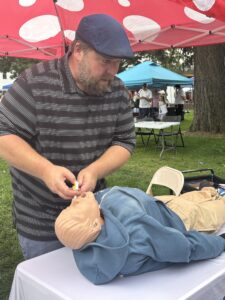
When Justin first began his work, he assumed the state’s largest urban counties would have the highest rates of opioid overdose deaths. But when he looked more closely at the data, he saw the serious challenges facing rural communities.
“It’s really important to me that people in rural areas understand that the Poison Center is a resource for them too,” Justin says. “We want to serve those areas, and we do serve those areas.”
He also understands that education around opioids and substance use requires trust. In small communities, difficult subjects can carry stigma that makes people hesitant to ask questions or seek help. Justin approaches those conversations without judgment. He listens to people talk about loved ones they have lost and gives people room to share their concerns and personal experiences. That approach helps turn difficult conversations into opportunities for learning and action.
Justin was raised in Spokane and Sequim and also lived in Wyoming, where he developed an appreciation for rural communities and the way people look out for one another. He says he loves how hardworking, warm and welcoming rural communities are.
Outside of work, Justin enjoys bicycling through Spokane, art, and spending time with his family. He is involved in HONK!, which is a global movement of independent, mobile brass bands that perform in the streets to support social activism and build community. He plays percussion in the Spokane band Peace and Justice Activists Musical Rascals of Spokane, or PJAMRS.
Justin and his partner of 13 years, Sarah, have a seven-year-old daughter, Hazel. He also has a 26-year-old daughter, Zoe.
Justin’s work shows that innovation does not always require new technology or spending a lot of money. Sometimes, it means recognizing that the traditional way of doing something is not reaching everyone who needs help. Justin changed the way poison prevention and harm reduction education is delivered and brought this new approach directly into the communities that needed it. Through thousands of miles of travel, hands-on education and genuine relationships, he is helping rural Washington residents become more informed, more confident and better prepared to respond when someone needs help.
For Justin, this work is about more than education. It is about making sure people have access to life-saving information and services, no matter where they live.