Explore Funding Opportunities
Funders, sponsors, and partners help sustain the vital services and education that keep Washingtonians safe. Learn about the ways you can be part of the mission - from bringing Mr. Yuk to your community to ensuring our experts answer the call, every minute of every day.
Get in TouchPoison Helpline
When people call our Poison Helpline, instead of going straight to the ER, we can treat them at home 93% of the time.
We provide immediate, free, and confidential treatment advice or answer questions via our 1-800-222-1222 number, online chat, or text, regardless of insurance status, citizenship, or language of choice. All calls are answered by nurses, pharmacists, and doctors with expert-level training.
A third of our calls are provider-to-provider consultations on complex patient cases requiring expert toxicological treatment guidance. Because no Washington state hospital has a dedicated toxicologist on staff, we serve as a vital extension of their care team.

Helpline Funding Opportunities
With healthcare costs rising and access becoming uncertain, our service is a lifeline when people face a poisoning, overdose, medication mistake, or any other toxic exposure. Last year, we handled more than 125,000 calls, and that number is steadily climbing at a rate of nearly 20 percent. The need for increased funding to sustain this growth is vital. By supporting the Poison Helpline, you support our core mission and service – saving lives, easing panic, saving money, and keeping people safe.
Poison Helpine call center
Ensuring uninterrupted service
Continuing education for staff
Poison & Public Health Education
Poison prevention education can save lives, prevent unnecessary emergency room visits, and reduce avoidable healthcare costs. Through community events, school programs, and presentations across Washington, our public health educators equip people of all ages with the knowledge to recognize potential dangers, prevent poisonings, and protect themselves and their households.
We also work to ensure the public is aware the Poison Helpline is a vital resource available to them for immediate guidance, potentially saving them a trip to the emergency department.

Education Funding Opportunities
By funding education and community outreach, you make an investment in public health and safety by preventing poisoning and overdose before they happen. When a poisoning does occur, awareness of our service helps people receive immediate care and avoid unnecessary medical care when it is safe to do so.
As healthcare costs rise and access to care becomes increasingly uncertain, it is essential that everyone knows how to access free, confidential, expert medical guidance, 24 hours a day, 365 days a year.
General outreach & education fund
Prevention and health trainings
Opioids, Naloxone, and Stigma program:
Poison Poster Contest
Overdose Awareness Series
Bring Mr. Yuk to Your Community
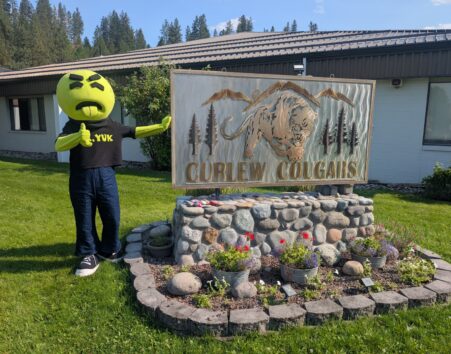
Mr. Yuk helps educate and warn kids about the dangers of poisonous things. Mr. Yuk encourages people to LOOK: Lock it up, Out of sight, Out of reach, Keep safe. Born in 1971, Mr. Yuk plays an important role in Washington Poison Center’s prevention and outreach efforts.
Today, our life-sized Mr. Yuk mascot and YukMobile van make the rounds to communities across the state to educate kids about the dangers of household items in a fun and engaging way. Mr. Yuk and our educators distribute bright green Mr. Yuk stickers for parents to place on toxic substances and teach their children “don’t touch!”
Mr. Yuk Funding Opportunities
Help bring poison safety and prevention to life for families by funding outreach events and poison safety education with Mr. Yuk in your community or other communities across the state.
Outreach with Mr. Yuk
Mr. Yuk Safety Materials Fund
Limited English Language Health Access Program
When people call the poison center first after a potential harmful substance exposure, rather than immediately going to the ER, we safely treat 93% of them at home. To help immigrants and refugees access this benefit, our health literacy education explains healthcare options, including the poison center, 988 (the mental health crisis line), 911, urgent care, emergency rooms, and a doctor’s office. This guidance saves stress and costs for families, and prevents unnecessary strain on the health care system.

Language Access Funding Opportunities
This investment opportunity funds the expansion of our multilingual direct education and outreach program, increasing awareness of free Poison Center services and understanding of accessing care within the US healthcare system.
Outreach & education
Translation
Interpretation for trainings
Clinical Education for Providers and Professionals
Today, toxicologists need access to information about more than 50 million chemicals. This number was only one million 50 years ago.
Our clinical education program ensures that healthcare providers and first responders know how to recognize and manage the less common toxicities and constantly changing drugs of abuse and that show up in their emergency departments through engaging trainings, presentations, and discussions. By funding this program, you will equip providers with the knowledge to make expedient, informed decisions that result in better care for patients, including expertly-guided treatment plans, earlier discharges, and shorter hospital stays.
Eastern Washington Overdose Collective
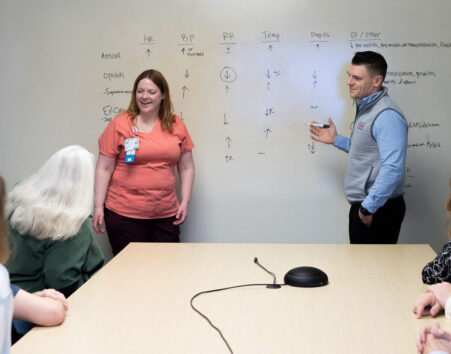
The Washington Poison Center’s Eastern Washington Overdose Collaborative (EWOC) creates a space for communities in Central and Eastern Washington to share locally-relevant resources, connections, and high-quality information needed to address substance use and prevent overdose. Meetings feature an expert presenting on a relevant and timely topic, group discussion, and opportunities to share work and collaborate on projects.
Funding EWOC promotes cross-community collaboration and invests in innovative approaches to substance use in Eastern Washington.